
Feature
Turning Breakthrough Science Into Life-Changing Medicines
March 12, 2026
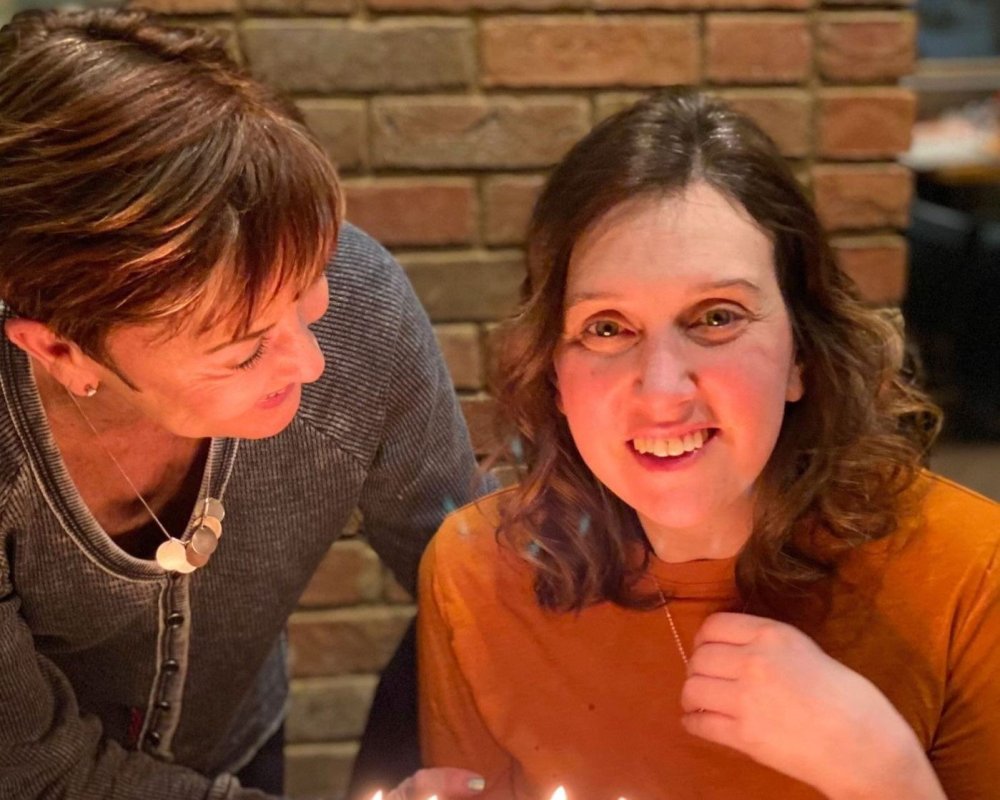
Two years ago, the Oxford-Harrington Rare Disease Centre (OHC) set an ambitious goal: to advance 40 rare disease therapies into clinical trials by 2034. Today, the partnership already has more than 50 drug programs in development — a testament to both the urgent unmet need in rare diseases and the strength of OHC’s translational model.
At the heart of this effort is the OHC Rare Disease Scholar Award Programme. Each year, ten leading academic investigators from the United States, the United Kingdom, and Canada are selected to receive funding and comprehensive drug development support. Their projects span a wide range of conditions, including neurodevelopmental, neuromuscular, and metabolic disorders, as well as rare cancers. What distinguishes the program is its integrated approach: Scholars receive strategic guidance across every stage of drug development, with the goal of accelerating promising discoveries toward clinical trials and reducing risk to attract further investment.
One of the 2025 Scholar projects focuses on CASK, a rare genetic disorder that disrupts normal brain development and leads to severe physical and intellectual impairments, along with other debilitating symptoms. For affected families, the impact is profound.
When Cindy Schulz’s daughter, Noelle (“Noni”), was a toddler, developmental delays became increasingly apparent. Despite numerous medical appointments, no clear diagnosis emerged, and Cindy was told there was no treatment beyond supportive care.
Noni faced significant intellectual and physical challenges. Although she eventually learned to walk and talk, many everyday skills remained out of reach. Determined to give her daughter the fullest life possible, Cindy focused on creating a joyful and meaningful environment. Now 42, Noni lives happily with her parents and has worked at a local grocery store for nearly two decades.
It was not until Noni was 30 that genetic testing identified the cause: a rare mutation in the CASK gene. At that time, only about 50 individuals worldwide had been diagnosed. Today, improved awareness and genetic testing suggest that approximately 2,000 individuals may be affected — a number that continues to grow.
For many families confronting a rare disease, one of the greatest challenges is the lack of a clear therapeutic path. Promising academic discoveries often fail to progress into treatments, not because the science lacks merit, but because commercial incentives are limited.
The OHC was established to bridge this gap.
As a first-of-its-kind partnership between the University of Oxford and the Harrington Discovery Institute at University Hospitals in Cleveland, OHC connects world-class academic science with industry expertise in drug development. Its mission is to translate breakthrough discoveries into therapies and cures for patients who currently have few or no options.
Dr Mingshan Xue, a neuroscientist at Baylor College of Medicine, is leading the OHC Scholar project focused on CASK. His interest in the disorder began during his postdoctoral training, when he met a patient living with the condition. Moved by the severity of the disease and the absence of effective treatments, he committed his research to finding a solution. Through engagement with families and advocacy groups, including Project CASK, he came to fully appreciate the urgency.
As an OHC Scholar, Dr Xue is developing a gene therapy designed to replace the dysfunctional CASK gene with a functional copy, addressing the root cause of the disorder rather than simply managing its symptoms.
“What attracted me to the OHC was access to deep drug development expertise,” Dr Xue explains. “Gene therapy requires coordinated scientific, regulatory, and manufacturing planning. That integrated support is essential to move this toward patients.”
If successful, a disease-modifying therapy for CASK could meaningfully improve development, health outcomes, and quality of life for affected individuals.